IRS 2026 Filing Season Recap: Bisignano Testimony and Budget Cuts
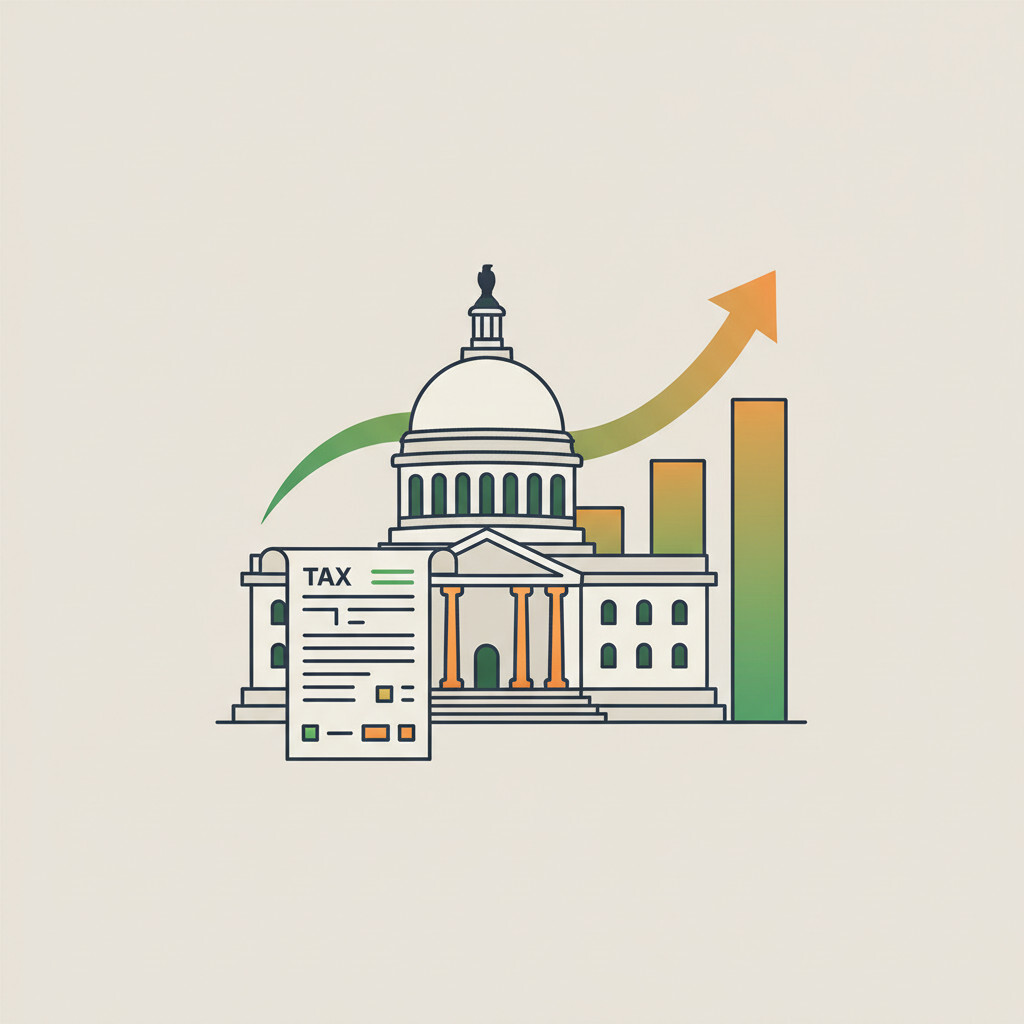
The IRS 2026 filing season closed on April 15 with the Senate Finance Committee holding a same-day hearing on agency performance, OBBBA implementation, and the IRS’s operational trajectory. IRS CEO Frank J. Bisignano — also serving as Social Security Commissioner — was the sole witness. The numbers he put on the record matter for anyone running a business, planning a tax strategy, or budgeting audit risk for 2026 and 2027.
At SW Accounting & Consulting Corp, we watch these hearings closely because they signal where the IRS will spend attention (and audit dollars) in the year ahead. This post summarizes the filing-season data, the One Big Beautiful Bill Act (OBBBA) adoption picture, the FY2027 budget fight, and what practitioners should take away.
What were the key metrics from the IRS 2026 filing season? 📊
The agency processed over 134 million individual returns, issued 80 million-plus refunds averaging $3,400 (up 11% year-over-year), and delivered 98% of refunds via direct deposit within 21 days.
| Metric | 2026 Filing Season |
|---|---|
| Individual returns received | 134 million+ |
| E-filed share | 98%+ |
| Refunds issued | 80 million+ |
| Direct deposit share | 98%+ |
| E-file refunds within 21 days | 90%+ |
| Average refund | ~$3,400 (+11% YoY) |
| Total refund dollars | +16% YoY |
Bisignano framed this as evidence of operational resilience — a filing season that opened on schedule and moved record-high refund dollars, even as the agency absorbed a roughly 25% workforce reduction since the start of the administration.
How many taxpayers claimed the OBBBA provisions in 2026? 💰
Bisignano said more than 53 million Americans claimed at least one of the OBBBA deductions — nearly half of all individual filers.
The One Big Beautiful Bill Act (OBBBA, P.L. 119-21) — which Republicans increasingly rebrand as the “Working Families Tax Cuts” — introduced four marquee individual deductions: tipped income, overtime pay, interest on certain automobile loans, and a deduction for seniors. Per the testimony:
- Senior deduction — 30 million taxpayers claimed the $6,000 deduction available to those 65+ for tax years beginning after December 31, 2024 and ending before January 1, 2029 (subject to phase-out for higher-income seniors). It’s available regardless of whether the taxpayer itemizes.
- Tipped income / overtime / auto loan interest — The balance of the 53 million split among these provisions. Treasury also released final regulations on the tipped income deduction (T.D. 10044) with up to $25,000 deductible for employees and self-employed, phasing out above $150,000 modified AGI ($300,000 joint).
- Trump Accounts — Roughly 5 million children have been enrolled, about 1 million more than reported on March 31. One million are covered by pilot-program elections providing a $1,000 federal seed investment for eligible minors born after December 31, 2024 and before January 1, 2029. Contributions may begin July 4, 2026.
The 53 million OBBBA-deduction figure is the headline number, but the practitioner story is in the final regulations. The tipped income final rule tightened the definition of qualified tips and added a visual-artist category. If your 2025 return claimed tips deductions based on the proposed regulations, verify against the final text — several of our clients needed updated substantiation documentation.
What is the IRS FY2027 budget proposal and how does it compare? 🏛
The House Appropriations subcommittee advanced a $10.2 billion FY2027 IRS budget — down roughly $1 billion (9%) from FY2026’s $11.2 billion, itself a 9% reduction from the prior year.
| IRS Funding Category | FY2026 Enacted | FY2027 House Proposal |
|---|---|---|
| Taxpayer services | ~$3.0B | ~$3.0B |
| Enforcement | $5.0B | $3.6B |
| Technology & operations support | ~$3.2B | ~$3.6B |
| Total | $11.2B | $10.2B |
The biggest line-item swing is enforcement — a $1.4 billion cut, partially offset by a $400 million increase in technology and operations support. The Administration’s request is even lower at $9.8 billion. The subcommittee approved the bill 9-6 on April 17; the full Appropriations Committee markup is scheduled for April 21, with the Senate expected to develop its own version later.
Bisignano emphasized that enforcement revenue is up 12% this year despite fewer agents, attributing the gains to data analytics and targeted compliance letters (500 letters reportedly yielded $250 million). Expect a continued shift toward algorithmic case selection and away from broad random audits — particularly on information-return mismatches, digital-asset reporting, and large-business transfer pricing.
What is happening with Direct File, the tax gap, and enforcement focus? 🎯
Direct File is suspended. Bisignano put the tax gap at $650 billion (not the $1 trillion some Democrats cite). Enforcement is shifting toward technology over headcount, with the agency collecting $2 billion from its five largest cases.
Direct File — the IRS-operated no-cost e-filing program — was “the least-used of the free filing options,” Bisignano told Senator Wyden, noting that more than 2 million taxpayers used the private-sector Free File program instead. Democrats objected, with Senator Warren unsuccessfully seeking unanimous consent to reverse the suspension. For now, taxpayers seeking free filing options will continue to rely on Free File and commercial free tiers.
On the tax gap, Bisignano rejected the $1 trillion figure attributed to former Commissioner Rettig, putting the actual gap at approximately $650 billion. The distinction matters for policy debates about IRS funding levels — a smaller gap undermines the case for large enforcement expansions.
What should taxpayers and practitioners take away from this hearing? ✅
- OBBBA compliance matters. Nearly half of filers are claiming new deductions. Substantiation standards will tighten; our CPA team is already seeing examination letters probing tipped income classification and senior deduction AGI calculations.
- Expect more technology-driven audits. The $250 million yield from 500 letters is exactly the kind of high-leverage enforcement the FY2027 budget assumes more of. Keep clean, auditable records — especially on information-return matches.
- Prepare for a tighter Direct File landscape. If you’re a preparer who serves moderate-income individuals, the Direct File suspension may drive more first-time private-sector clients your way.
- Watch reconciliation 2.0. The Senate is expected to begin the budget resolution process next week for a second reconciliation bill. Whether tax provisions get included remains a live fight — and the result will shape the 2026-2027 planning calendar.
Frequently Asked Questions 🗂
For the source testimony and committee materials, see the Senate Finance Committee hearings page and the House Appropriations Committee. Treasury and IRS OBBBA guidance releases — including the tipped income final rule (T.D. 10044), proposed remittance transfer tax regulations (REG-114499-25), and Opportunity Zone guidance (Rev. Proc. 2026-14) — are on irs.gov/newsroom.
Need help navigating OBBBA deductions, audit response, or 2026 tax planning? SW Accounting & Consulting Corp’s team works with individuals and small businesses across Los Angeles and nationally — book a consultation to get ahead of the FY2027 enforcement shift.