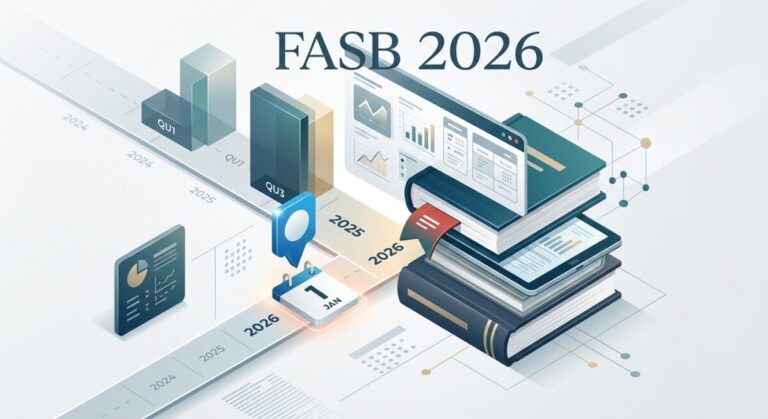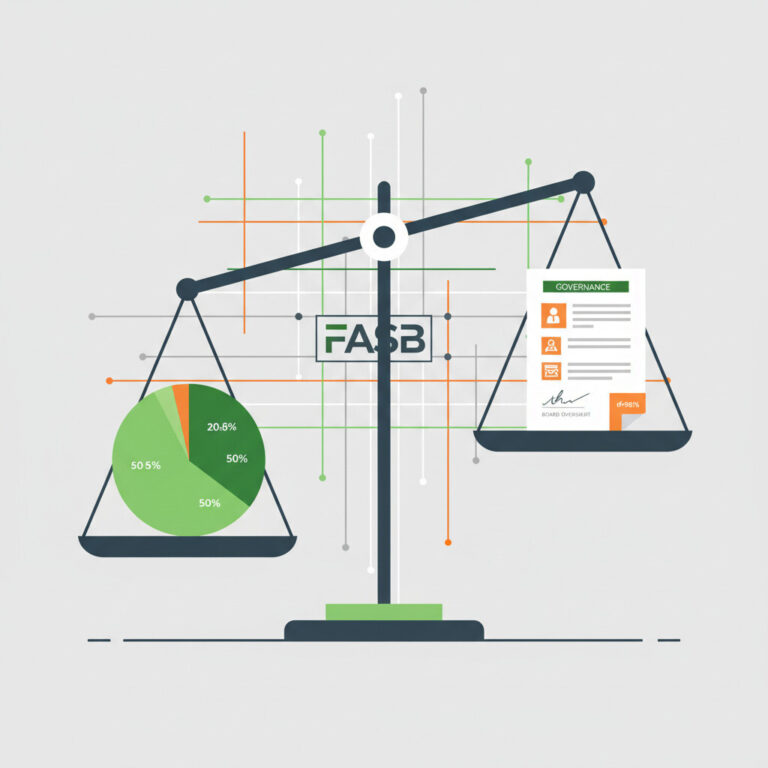

Illustration of FASB's proposed hedge accounting update to Topic 815 — interest rate and currency risk balancing on a scale with a line chart
|

FASB Proposed Hedge Accounting Update (Topic 815) 2026

What is the FASB changing about hedge accounting in 2026? On June 17, 2026, the FASB issued a proposed hedge accounting update to Topic 815 with three targeted changes: hedging interest rate risk on held-to-maturity securities, using any tenor of SOFR, and expanding eligible net investment hedging instruments. Comments are due August 17, 2026. If…

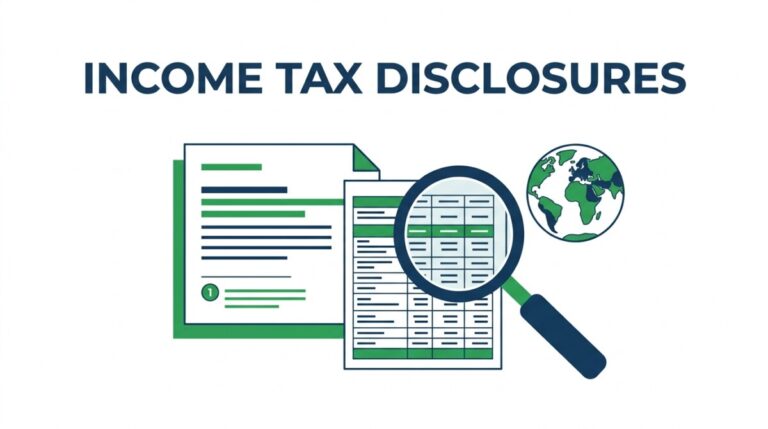
Illustration of FASB ASU 2023-09 new income tax disclosures under Topic 740 — a financial statement footnote with a tax table and a globe showing income taxes paid by jurisdiction
|

ASU 2023-09: New Income Tax Disclosures (Topic 740)

Do private companies have to change their income tax disclosures? Yes — in part. FASB ASU 2023-09, Income Taxes (Topic 740): Improvements to Income Tax Disclosures, requires all entities to disclose income taxes paid (net of refunds) by federal, state, and foreign jurisdiction — and by any individual jurisdiction equal to or greater than 5%…

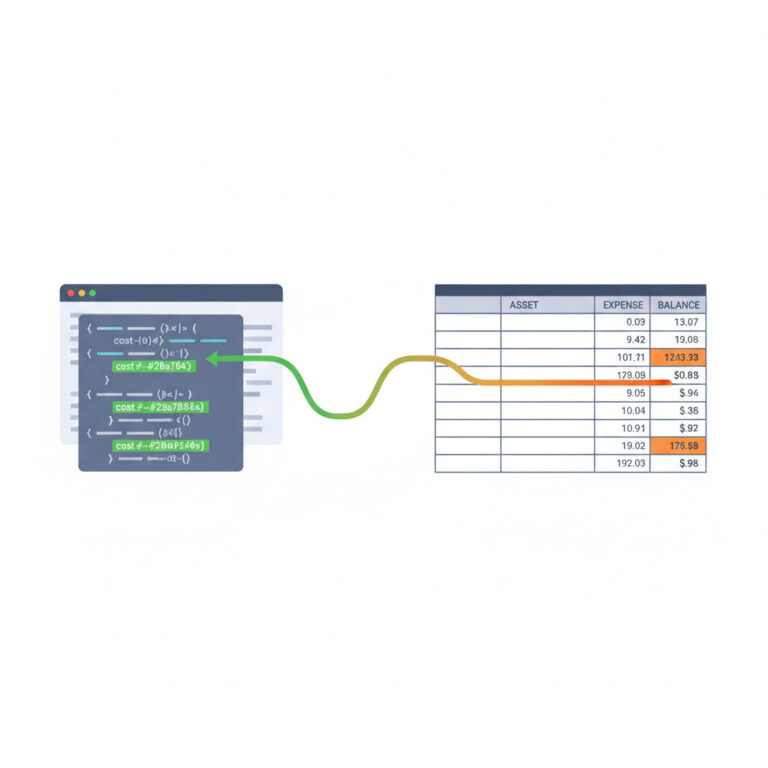
Illustration of FASB ASU 2025-06 modernizing internal-use software capitalization under Subtopic 350-40 — replacing project stages with a probable-to-complete threshold for agile development
|

FASB ASU 2025-06: Internal-Use Software Cost Rules Modernized

How does FASB ASU 2025-06 change accounting for internal-use software? The FASB issued ASU 2025-06, Intangibles—Goodwill and Other—Internal-Use Software (Subtopic 350-40): Targeted Improvements, to modernize software cost guidance written in 1998 for today’s agile development. The biggest change: it ELIMINATES the old project-stage (waterfall) model for deciding when to start capitalizing costs. Instead, capitalization begins…

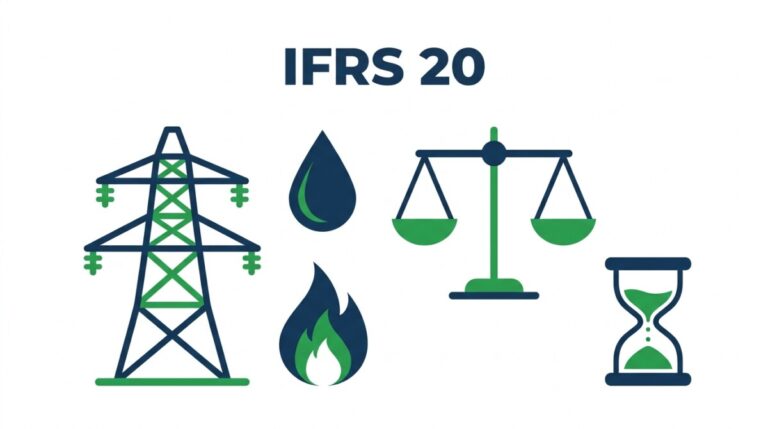
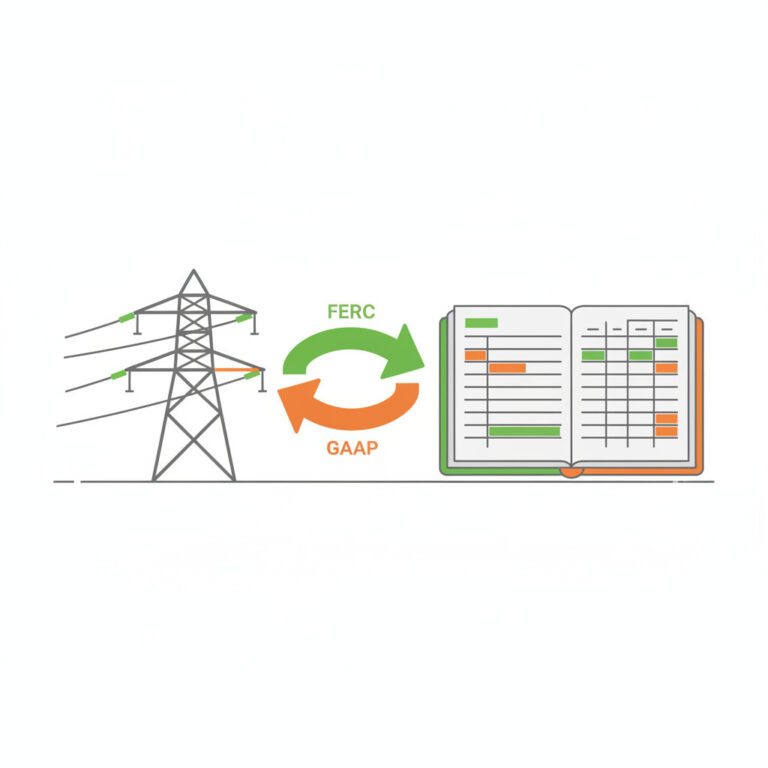
Illustration of IFRS 20 Regulatory Assets and Regulatory Liabilities for rate-regulated utilities — differences in timing, effective 2029, compared with U.S. GAAP ASC 980
|

IFRS 20: Regulatory Assets & Liabilities for Utilities

What is IFRS 20, and who does it affect? The International Accounting Standards Board (IASB) issued IFRS 20, Regulatory Assets and Regulatory Liabilities — a new IFRS Accounting Standard for companies subject to a specific type of rate regulation (utilities that supply electricity, water, and gas, where a regulator controls how much they can charge…

Illustration of FASB ASU 2026-02 and new ASC 818 — accounting for environmental credits like carbon offsets, RECs, and allowances and environmental credit obligations
|

FASB ASU 2026-02: Environmental Credits Accounting (ASC 818)

How do you account for carbon credits and emission allowances under U.S. GAAP now? On May 19, 2026, the FASB issued Accounting Standards Update (ASU) 2026-02, creating a brand-new Codification Topic — ASC 818, Environmental Credits and Environmental Credit Obligations. Until now, U.S. GAAP had no specific guidance for carbon offsets, renewable energy certificates (RECs),…

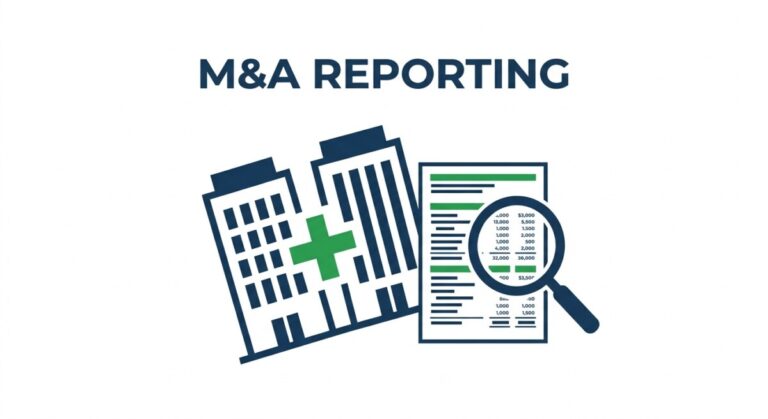
Illustration of SEC reporting for business acquisitions under Regulation S-X Rule 3-05 — significance tests, required acquiree financial statement periods, pro forma, and the Form 8-K deadline
|

SEC Business Acquisition Reporting: Rule 3-05 Explained

When does an SEC registrant have to file financial statements for a business it acquired? Under SEC Regulation S-X Rule 3-05, a registrant (including a company doing an IPO) must file separate pre-acquisition financial statements of a “significant” acquired or to-be-acquired business — with a parallel rule (3-14) for significant real estate operations. Significance is…

Illustration of the SEC proposal raising the large accelerated filer threshold to $2 billion and reducing SOX 404(b) auditor attestation for public companies
|

SEC IPO Reform: Accelerated-Filer Threshold & SOX 404(b)

What did the SEC propose to make going public easier? The U.S. Securities and Exchange Commission issued a set of proposed rule changes intended to encourage IPOs. The headline item: raise the threshold to be a “large accelerated filer” from $700 million to $2 billion in public float (the higher status would have to be…

Illustration of the FASB Investor Advisory Committee May 2026 recap — disclosure themes on data center financing, private credit, stablecoins, hedge accounting, DISE, and debt restructurings
|

FASB Investor Advisory Committee May 2026: 5 Key Themes

What is the FASB hearing from investors right now? At its May 28, 2026 meeting, the FASB’s Investor Advisory Committee (IAC) flagged where today’s financial statements fall short for investors — and where new disclosure may be coming. Top themes: (1) data center financing and private credit are growing complex and opaque; (2) whether certain…

Illustration of FASB ASU 2026-01 — initial measurement of paid-in-kind PIK dividends on equity-classified preferred stock at the stated rate under Topic 505
|

FASB ASU 2026-01: PIK Dividends on Preferred Stock Explained

How does FASB ASU 2026-01 change the accounting for PIK dividends on preferred stock? In April 2026, the FASB issued Accounting Standards Update No. 2026-01, Equity (Topic 505): Initial Measurement of Paid-in-Kind Dividends on Equity-Classified Preferred Stock. It fills a gap in U.S. GAAP that had produced diversity in practice. The new rule: an issuer…

Illustration of ASU 2023-05 joint venture formations accounting — fair value measurement at formation date under Subtopic 805-60
|

ASU 2023-05 Joint Venture Formations: Fair Value Accounting Guide

What does ASU 2023-05 require for joint venture formation accounting? Under FASB Accounting Standards Update 2023-05, joint ventures must record assets received and liabilities assumed at fair value at the formation date — adopting a new basis of accounting on day one. The guidance is in new Subtopic 805-60 and is effective prospectively for any…