California FTB April 15 Tax Deadline 2026: Free Filing & Credits
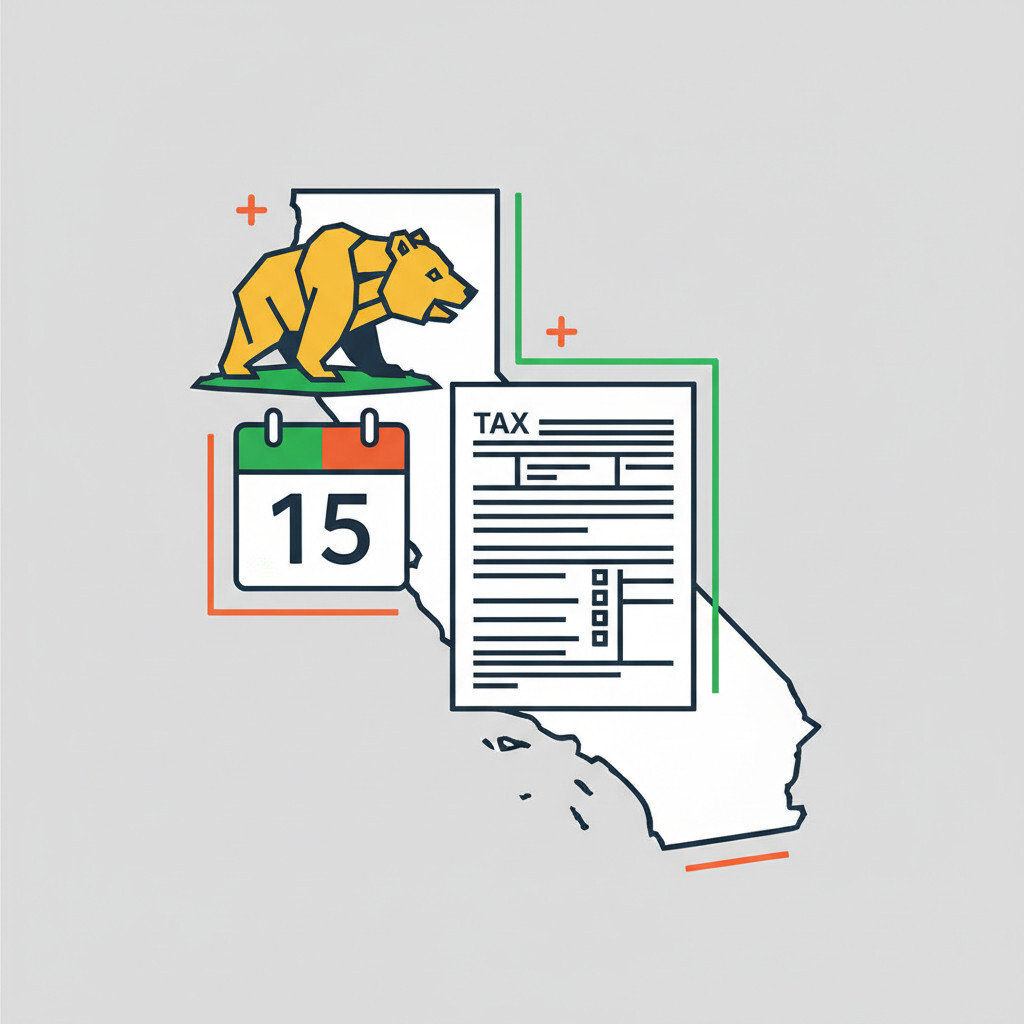
The California FTB April 15 deadline is one of the most important dates on any California taxpayer’s calendar. If you haven’t filed your 2025 California state income tax return yet, now is the time to act. The Franchise Tax Board has a suite of free tools, significant cash-back tax credits, and flexible payment options designed to help every Californian — from solo gig workers to small business owners — meet this critical deadline. In this guide, we cover everything you need to know: free filing options, available credits, scam warnings, and what to do if you can’t pay your full balance by April 15.
What Free Filing Options Does California FTB Offer Before April 15? 💻
The FTB offers CalFile — a free, direct state e-filing system — along with in-person VITA assistance for qualifying taxpayers.
State Controller and FTB Chair Malia M. Cohen emphasized that Californians can file for free and claim valuable cash-back credits this filing season. Here are the main free filing pathways:
- CalFile: FTB’s own free direct e-filing system for California state returns. Filing electronically is faster, more accurate, and provides immediate confirmation of receipt. Choosing direct deposit gets your refund to you faster and more securely. Access CalFile through FTB.ca.gov/CalFile.
- VITA (Volunteer Income Tax Assistance): Free, in-person tax preparation for low-to-moderate income taxpayers. Certified volunteers prepare both federal and state returns. Visit FTB’s Get Free Tax Help page to find the nearest VITA location.
- Federal Free File Partners: Several IRS Free File partners also prepare California state returns for free when you qualify for their federal free offer.
In our office, we consistently recommend CalFile to clients who have straightforward California returns — it’s direct, official, and completely free with no hidden fees or upsells. E-filing reduces processing time and significantly lowers the chance of math errors that could trigger a notice from the FTB.
According to FTB data, e-filed returns are processed significantly faster than paper returns — often within two weeks compared to months for paper. For last-minute filers, e-filing is essential. If you’re mailing a paper return on April 15, postmark it by midnight and keep certified mail as proof of timely filing.
What Cash-Back Tax Credits Can California Taxpayers Claim in 2026? 💰
The California Earned Income Tax Credit (CalEITC) can return up to $3,756 to qualifying low-income workers, and it may unlock additional credits like the Young Child Tax Credit and Foster Youth Tax Credit.
One of the most impactful — and most underutilized — aspects of California tax law is the state’s refundable credit system. Here’s a breakdown of the key credits available:
| Credit | Max Amount | Key Requirement |
|---|---|---|
| CalEITC | Up to $3,756 | Earned income, income limits apply |
| Young Child Tax Credit (YCTC) | Additional credit | Must qualify for CalEITC + child under 6 |
| Foster Youth Tax Credit (FYTC) | Additional credit | Must qualify for CalEITC + foster youth status |
| Child and Dependent Care Expense Credit | Varies | Qualifying child/dependent care expenses |
The CalEITC is fully refundable — meaning even if you owe no California income tax, you can receive the credit amount as a direct refund. For a working family with low income, this can be a meaningful financial boost. To check your eligibility, visit the FTB CalEITC eligibility page.
Many lower-income California taxpayers who qualify for CalEITC fail to claim it because they assume they don’t owe taxes and therefore don’t need to file. This is incorrect — you must file a return to receive the refundable credit. If you earn below the threshold, filing could result in a cash payment directly to you.
How Can I Protect Myself from Tax Scams Before the California FTB April 15 Deadline? 🛡️
Scammers actively target California taxpayers around tax season, posing as IRS or FTB employees via phone, text, and email. The FTB will never demand immediate payment or threaten arrest.
The FTB specifically warns Californians about the increase in tax scams as April 15 approaches. Common scam tactics include:
- Impersonation calls: Scammers call claiming to be IRS or FTB agents, demanding immediate payment to avoid arrest or legal action.
- Phishing emails and texts: Fraudulent messages with links to fake FTB or IRS websites designed to steal your SSN and banking details.
- Fake refund notifications: Messages claiming you have an unclaimed refund and must click a link to receive it.
- Ghost preparers: Unscrupulous tax preparers who file inflated returns and then disappear, leaving you responsible for penalties and audits.
To protect yourself: Do not reply to or click links in suspicious messages. If you receive a suspicious letter claiming to be from FTB, call the official FTB number at 800-852-5711 to verify. The FTB and IRS will never demand payment via gift cards, wire transfers, or cryptocurrency.
What If I Can’t Pay My Full California Tax Bill by April 15? 📋
The FTB offers payment plans for taxpayers who owe $25,000 or less and can repay within five years, plus a one-time penalty cancellation option for eligible taxpayers.
If you can’t pay your full balance by April 15, you have options:
- Still file on time: Filing a return without full payment is far better than not filing at all. The failure-to-file penalty is significantly higher than the failure-to-pay penalty.
- Set up a payment plan: Taxpayers who owe $25,000 or less and can repay within five years may qualify for an installment agreement. Apply through MyFTB or call 800-689-4776.
- Request one-time penalty cancellation: Individual taxpayers may qualify for a one-time cancellation of a late filing or late payment penalty if they are current on all required tax filings, have no other unpaid balances, and haven’t previously used this relief.
- Disaster relief: If you were affected by a Governor or President declared disaster in California, you may be eligible to deduct certain losses and receive free copies of damaged tax records using Form FTB 3516.
The one-time penalty cancellation is a valuable but little-known FTB program. If you have a clean compliance history and this is your first late filing or payment, you may be able to get the penalty removed entirely after paying the underlying tax. Call FTB at 800-689-4776 or request it through your MyFTB online account.
📌 Key Takeaways
- File your California return by April 15 using CalFile — FTB’s free, official state e-filing system
- Check your CalEITC eligibility — you could receive up to $3,756 in cash back even if you owe no tax
- Be alert to scammers posing as IRS or FTB agents — verify any suspicious contact at 800-852-5711
- If you can’t pay in full, file anyway and explore FTB payment plans or one-time penalty abatement