
If you’ve received an IRS tax audit letter, the first thing you need to do is check ‘this’ before responding.
You know that exact feeling, right? You’re sifting through your mail—junk, bill, junk… and then, *bam*. There it is. The official envelope from the Internal Revenue Service. Your stomach just does a flip. For a business owner, or really for anyone, it feels like a personal attack. I recently heard from one business owner who said, “I’ve been in business for over 20 years, and this is the first time… I’m panicked.”
That feeling is universal. But here’s the honest truth: that initial wave of dread is almost always worse than the reality. What if you had a clear playbook to turn that panic into a calm, strategic plan? Well, that’s exactly what we’re going to build today. This isn’t just about surviving an IRS inquiry; it’s about managing it professionally and confidently. Let’s get you prepared. 😊
1. Understanding the Notice: What Did You *Actually* Receive? 🤔
First things first, and this is probably the most important thing to remember: an IRS envelope does not automatically mean you’re facing a full-blown, life-disrupting audit. Most of the time, it’s something far simpler.
The very first step is to take a deep breath, open the letter, and figure out what they’ve actually sent you. IRS communications really come in three main flavors, each with a totally different severity level. Just knowing which bucket you’re in is the first step to bringing that anxiety way, way down.
The 3 Levels of IRS Communication
| Communication Type | Description | Severity Level |
|---|---|---|
| Notice / Letter | This is a simple request or adjustment. It could be a math error correction, a balance due, a question about your identity, or a refund adjustment. | Low |
| Correspondence Audit | This is a real audit, but it’s handled entirely by mail. They will ask for specific documents (e.g., proof of charitable donations, mileage logs). | Medium |
| In-Person / Field Audit | This is the most serious. An IRS agent will request to meet with you, either at an IRS office or at your place of business. | High |
See? Most letters are just notices. And even if it *is* an audit, a correspondence audit is manageable. Knowing what you’re dealing with is half the battle.
2. The Audit Mindset: Your Playbook Part 1 🧘
Alright, let’s start building your playbook. Believe it or not, the foundation of a successful response isn’t about finding the right documents (that comes later). It’s all about your mindset. How you approach this process will determine almost everything.
Rule 1: DON’T PANIC. Focus.
Seriously. Take a deep breath and read the notice carefully. The IRS is almost always looking at one specific thing for one specific year. If the notice is about your 2022 business return, that is *all* you need to worry about. Don’t start spiraling about 2021 or your personal deductions. You must stay within the lines they’ve drawn. Focus only on what the notice asks for. Nothing more.
Rule 2: Bust the “All-Powerful Auditor” Myth
We have got to bust a huge myth right now. We all have this image of an auditor as an all-knowing judge who holds all the power. That’s just not true.
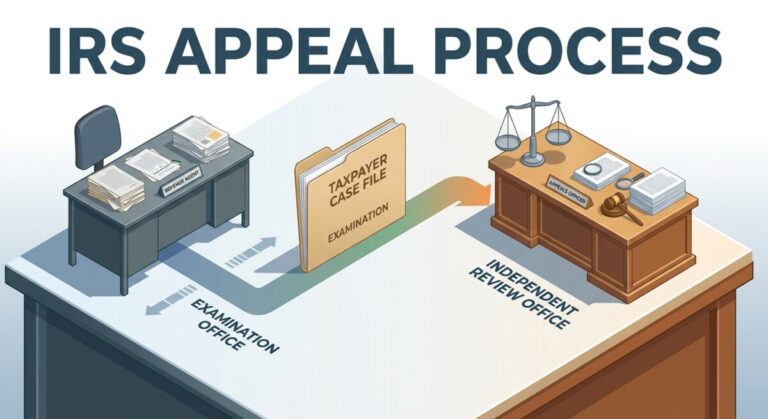
The Reality: An IRS auditor is a government employee with a case load, and they are just following internal guidelines. They are human. They can make mistakes. And most importantly, their findings can absolutely be appealed. This simple fact puts you on a much more equal playing field than you might think.
Rule 3: This Is a Marathon, Not a Sprint
I know your gut instinct is to get this over with as fast as possible. But that can really work against you. Rushing leads to mistakes. IRS agents are juggling a ton of cases at once; they have zero incentive to rush *your* case.
The key takeaway here is to embrace the slow pace. Patience is one of your most strategic tools. Use the time to gather your documents carefully and build a professional response.
3. Rules of Engagement: Your Playbook Part 2 🤝
With the right mindset locked in, let’s get practical. “Rules of Engagement” is all about how you communicate and interact during the audit process. When the IRS sends a request for documents (often called an IDR, or Information Document Request), your response has to be incredibly disciplined.
- Be Precise: Answer *only* the specific questions they’ve asked.
- Be Strategic: Consider the likely intent *behind* the question. Why are they asking for this?
- Be Disciplined: This is the big one…
Do NOT volunteer extra, unrequested information. Don’t give context. Don’t tell a story. If they ask for a specific bank statement, you send them *only* that bank statement. Giving them extra documents or rambling in a letter can accidentally open up whole new lines of questioning you don’t want. Be precise. Be controlled.
A Quick Shift in Perspective
Here’s a perspective shift that’s a total game-changer. You’re not there to *fight* the auditor. You’re actually there to help the auditor close their case.
Think about it: they have to justify their decisions to a manager. If you provide clear, organized, professional proof that matches your tax return, you make it super easy for them to agree with you. You’re basically giving them the ammo they need to rule in your favor.
While the overall process is slow, your responsiveness is non-negotiable. You *must* meet the deadlines they give you. But if you can’t, don’t just blow it off. Requesting an extension is completely normal and actually shows you’re cooperating. It’s a sign of diligence, definitely not weakness.
4. Your Rights & Your Team: Your Playbook Part 3 🛡️
This final part of the playbook is about understanding the rules that protect you and assembling the team you really need in your corner. These are your structural advantages.
Know “The 3-Year Rule” (Statute of Limitations)
Here’s something crucial you need to know. Generally, the IRS only has three years from the date you file your taxes to even *start* an audit. This is called the Statute of Limitations.
Example: The 3-Year Clock 📝
- Year 0: You file your 2022 tax return on April 15, 2023. The clock starts.
- Year 3: The IRS window to start an audit on that return typically slams shut on April 15, 2026.
This timeline is a hard stop (with a few rare exceptions), and believe me, it gives you leverage.
As that 3-year deadline gets closer, the auditor might ask you to sign a form to *extend* the statute of limitations. Here’s the key thing to know: you do not have to agree. You have the power to say no. Deciding whether to grant that extension is a huge strategic choice, and it’s one you should *definitely* make with a professional.
Why You MUST Hire a Professional
This brings us to the most important point. For anything beyond a simple, low-severity notice, hiring a tax professional (like a CPA, Enrolled Agent, or Tax Attorney) is absolutely essential. This is not a time for DIY.
Here’s what they do for you:
- They act as a firewall or buffer between you and the IRS. You never even have to talk to the agent.
- They prevent you from panicking or saying too much.
- They handle all the stressful communications professionally.
- They understand the audit strategy and your rights (like that 3-year rule!).
Yes, it’s an investment, but it’s an investment in a much, much better outcome. Don’t go it alone.
5. A Final, Crucial Warning: Spotting IRS Scams 🕵️♂️
Before we wrap up, I’ve got one final and critical warning. Scammers *love* to prey on the fear that an IRS letter creates, and you need to know exactly how to spot them. Please listen closely, because this could save you a world of hurt.
| ✅ How the REAL IRS Contacts You | ❌ How SCAMMERS Contact You |
|---|---|
| The IRS initiates any serious contact in only one way: an official letter sent through the U.S. Postal Service. Period. That’s it. | Scammers will use high-pressure tactics like:
|
| They will *never* cold-call you to demand immediate payment or threaten you with arrest. | Any of these methods are 100% a scam, 100% of the time. Hang up. Delete. Do not engage. |
Conclusion: An Audit is a Process, Not a Verdict 📝
The biggest takeaway from all of this is that an audit is not a guilty verdict. It’s just a business process. A complicated one, sure, but it’s a process with rules, timelines, and strategies that you can navigate.
That initial panic is real, but it’s manageable. The real question isn’t *if* you’ll get a letter one day, but if you’re prepared to manage the process when it finally arrives. With this playbook, you are.
Have you ever had to deal with a scary-looking IRS notice? What was your experience? I’d love to hear your thoughts or any questions you might have in the comments below. Let’s help each other stay prepared! 😊