IRS Dirty Dozen 2026: 12 Tax Scams Every Taxpayer Must Know | SW CPAS
Every tax season, the Internal Revenue Service releases its annual Dirty Dozen — a curated list of the most prevalent and damaging tax scams that target individuals, businesses, and even tax professionals. The IRS Dirty Dozen 2026 was announced on March 5, 2026, coinciding with National Slam the Scam Day, a public awareness campaign run jointly by the IRS and its Security Summit partners. This year’s list introduces one significant new entry: abusive undistributed long-term capital gains claims involving Form 2439. Whether you are an individual taxpayer, a small business owner, or a CPA with a busy filing season practice, understanding these 12 scams is your first line of defense against tax fraud and identity theft.
What Are the 12 Scams on the IRS Dirty Dozen 2026 List? 🚨
The IRS Dirty Dozen 2026 covers twelve categories of fraud and abuse, from AI-driven identity theft to in-person preparer fraud and abusive tax shelters. Here is a complete breakdown of each scam.
1. IRS Impersonation by Email and Text (Phishing & Smishing)
Scammers send emails, direct messages, and texts appearing to come from the IRS, using alarming language, fake logos, and QR codes that redirect victims to fraudulent websites. The IRS reported over 600 social media impersonators during fiscal year 2025. The IRS will never contact you first by email or text to request personal or financial information.
2. AI-Enabled IRS Impersonation by Phone
Phone scams now use AI-generated voices, spoofed caller ID, and automated robocall systems to impersonate IRS agents. These calls claim you owe back taxes and face imminent arrest. The IRS does not call to demand immediate payment, leave threatening pre-recorded messages, or use spoofed numbers. When in doubt, hang up and call the IRS directly at 1-800-829-1040.
3. Fake Charities
Fraudsters exploit disasters and tragedies by creating fake nonprofit organizations that collect donations and personal data. Before donating, verify any charity using the IRS Tax Exempt Organization Search tool. Only donations to IRS-recognized tax-exempt organizations qualify for a charitable deduction on your federal return.
4. Misleading Tax Advice on Social Media
Viral “tax hacks” on TikTok, Instagram, and YouTube continue to mislead taxpayers into filing returns with false information or claiming credits they do not qualify for. Knowingly filing a fraudulent return can result in substantial civil penalties and criminal prosecution. Always rely on a qualified tax professional, not social media influencers, for tax guidance.
5. Identity Theft Involving IRS Online Account Access
Criminals use stolen personal information to access taxpayers’ IRS Online Accounts, change bank account information, and divert refunds. They may also pose as helpers to harvest credentials during account setup. Always create and manage your IRS account directly at IRS.gov — never through an unsolicited third party.
6. Abusive Undistributed Long-Term Capital Gains Claims — NEW for 2026
This is the new addition to the 2026 list. Form 2439 (Notice to Shareholder of Undistributed Long-Term Capital Gains) is a legitimate form issued by certain investment funds and REITs. However, the IRS has identified a surge in fabricated or overstated Form 2439 claims, including claims falsely tied to well-known organizations. Improper claims can result in refund delays, audits, penalties, and enforcement action.
7. Bogus “Self-Employment Tax Credit” Promotion
Promoters falsely claim that self-employed individuals can receive a broad “self-employment tax credit” generating a large refund — misrepresenting narrow pandemic-era sick and family leave credits that applied only to specific 2020–2021 tax situations. The IRS is actively reviewing these claims, and those who file improperly do so at their own risk of audit and penalties.
8. Ghost Preparers
A ghost preparer prepares and files your return but refuses to sign it or include a valid Preparer Tax Identification Number (PTIN). All paid preparers are legally required to sign returns and include their PTIN. Never sign a blank or incomplete return. Verify your preparer’s credentials at the IRS Tax Professional Directory.
9. Non-Cash Charitable Contribution Schemes
Promoters offer inflated appraisals for donated property through syndicated conservation easements or art donation programs, promising to eliminate tax liability. The IRS has identified these as abusive tax shelters and has won major court cases against participants. Legitimate charitable deductions for non-cash contributions require qualified appraisals and strict compliance with IRS valuation rules.
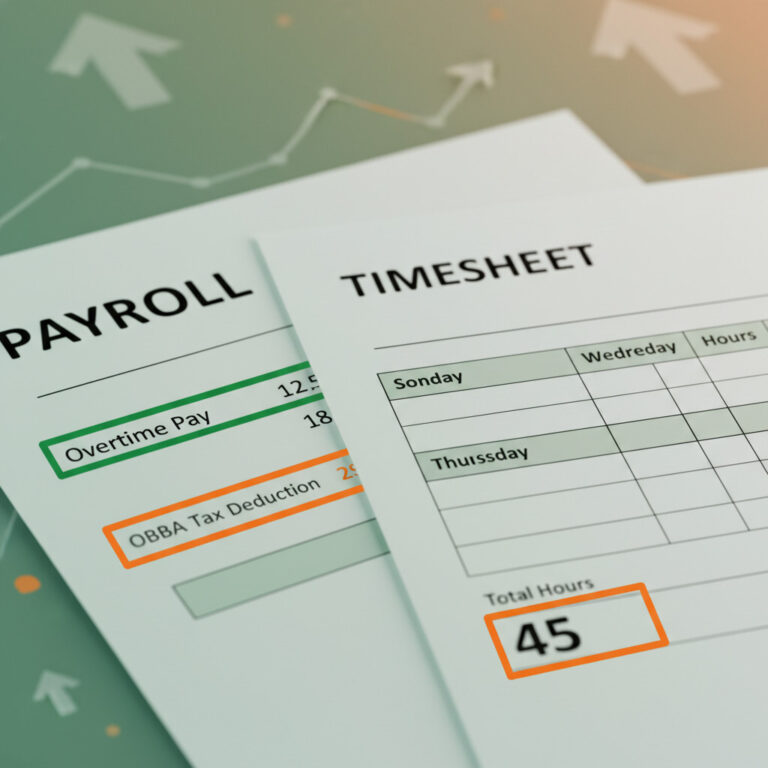
10. Overstated Withholding Schemes
Scammers instruct taxpayers to inflate withholding amounts on returns — sometimes described as “other withholding” — to generate artificially large refunds through falsified W-2s, 1099s, and other information returns. The IRS routinely matches returns against third-party records and will delay or deny fraudulent refund claims. Penalties can include criminal prosecution.
11. Spear-Phishing and Malware Campaigns Targeting Tax Professionals
Tax professionals and accounting firms are high-value targets for sophisticated cyberattacks. Criminals send emails appearing to come from new clients or professional associations, carrying malicious links or ransomware. Once compromised, criminals can access all client data and file fraudulent returns on behalf of thousands of clients. Implement multi-factor authentication and review IRS Security Summit resources.
12. Aggressive OIC Mills — Offer in Compromise Marketing
The IRS Offer in Compromise program allows eligible taxpayers who cannot pay their full tax liability to settle for less. But OIC mills — high-pressure companies advertising on TV and radio — often promise to settle debt for “pennies on the dollar” and charge thousands of dollars in upfront fees for taxpayers who do not qualify. Use the free IRS OIC Pre-Qualifier Tool before engaging any paid service.
Never click an unexpected link or open an unsolicited attachment claiming to be from the IRS. The IRS communicates by mail first — never by email, text, or social media message. Report suspicious IRS-related emails by forwarding to phishing@irs.gov. If you believe your tax identity has been compromised, visit IRS.gov/idtheft immediately.
How Can I Protect Myself from the 2026 Dirty Dozen Scams? 🔒
The most effective protections are awareness, verification, and professional guidance — knowing what a legitimate IRS contact looks like and always verifying before responding.
- Verify before you respond. Independently verify any unexpected IRS-related communication by calling the IRS at 1-800-829-1040 or checking IRS.gov.
- Never click QR codes in unsolicited messages. These commonly redirect to phishing sites designed to steal your credentials.
- Check your preparer’s credentials. Use the IRS Tax Professional Directory to verify your preparer has a valid PTIN and required credentials.
- Create your IRS Online Account directly at IRS.gov. Never allow a third party to set up or access your IRS account on your behalf.
- Use free IRS tools first. The OIC Pre-Qualifier, Withholding Estimator, and Tax Exempt Organization Search are all free and available at IRS.gov.
- Report suspected fraud. Submit tips at IRS.gov/SubmitATip — the IRS’s new consolidated fraud-reporting tool.
In our Los Angeles practice, we see clients fall victim to ghost preparers and fake refund schemes every filing season. One red flag we always emphasize: if a preparer promises a larger refund than your legitimate deductions and income support, or refuses to sign the return — walk away immediately. The taxpayer, not the preparer, is legally responsible for what is filed. Always work with a licensed CPA or enrolled agent, and always review your return before signing it.
Frequently Asked Questions ❓
- The 2026 Dirty Dozen includes Form 2439 abuse as a new entry — and AI phone scams are more sophisticated than ever.
- The IRS contacts taxpayers by mail first — never by unsolicited email, text, or social media.
- Always verify your tax preparer’s PTIN, and never sign a blank or incomplete return.
- Social media “tax hacks” that promise oversized refunds are a fast path to audit and penalties.
- Report suspected fraud at IRS.gov/SubmitATip.