What are the new IRS per diem rates for 2026–2027?
Every October, a wave of expense-policy questions lands on our desks in Los Angeles. Sales reps are already on the road, controllers want the next-year reimbursement schedule locked in, and CFOs want to know whether a raise in the IRS numbers means anything for the P&L. This year the answer arrived on schedule: the IRS released IRS Notice 2026-60 and updated the special per diem rates used to substantiate business travel deductions and employer reimbursements for the fiscal year running October 1, 2026 through September 30, 2027. This post walks through the numbers that changed, the four cities that joined the high-cost list, and the rules a CPA looks at before you rely on the shortcut.
What are the new IRS per diem rates for 2026–2027? 📅
The high-low substantiation rates are $329 per day for a high-cost locality and $230 per day for any other CONUS locality, effective October 1, 2026. Meals are $86 (high) or $74 (low). Transportation-industry M&IE is $80 CONUS and $86 OCONUS. The incidental-expenses-only rate is $5 per day.
The IRS publishes one annual notice that consolidates every rate a taxpayer or employer needs to use the shortcut methods for business travel. This year’s notice is Notice 2026-60. It supersedes the prior-year notice and takes effect for allowances and expenses on or after October 1, 2026. Every rate below traces to that single notice; we cite the underlying Rev. Proc. 2019-48 where the mechanics live.
| Rate category | 2026–2027 | Prior year (2025–2026) |
|---|---|---|
| High-cost locality — per diem | $329 | $319 |
| Any other CONUS locality — per diem | $230 | $225 |
| Meal portion — high-cost | $86 | $86 |
| Meal portion — low | $74 | $74 |
| Transportation industry M&IE — CONUS | $80 | $80 |
| Transportation industry M&IE — OCONUS | $86 | $86 |
| Incidental expenses only | $5 | $5 |
Two of the seven headline numbers actually moved: the high-cost total rate rose $10 to $329 and the low-cost total rate rose $5 to $230. Meals and incidentals stayed flat. If your travel spend is heavy on high-cost cities, that $10 lift compounds — twenty room-nights add $200 of deductible or reimbursable allowance without changing a single receipt.
Which cities were added to the high-cost per diem rates list? 🏙️
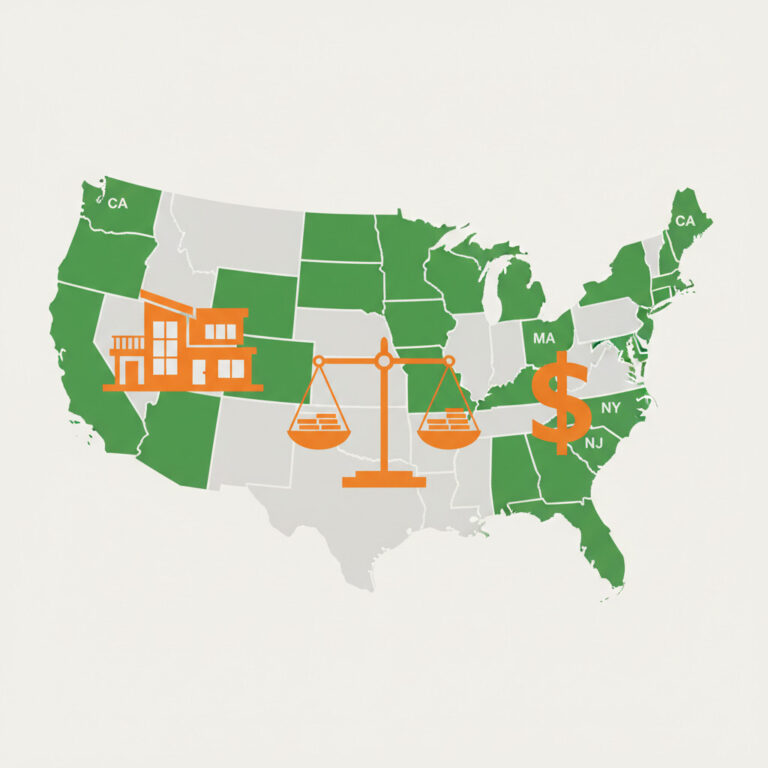
The IRS added Tucson, Arizona; San Mateo/Foster City/Belmont, California; Albuquerque, New Mexico; and Cody, Wyoming to the high-cost list, and removed Panama City, Florida. Fifteen other localities kept their high-cost status but had their high-cost season adjusted.
A locality lands on the high-cost list when its federal per diem rate is $280 or more for at least part of the calendar year. The IRS reviews the list every year against General Services Administration rate data; changes reflect what employees and employers are actually paying for lodging in each market.
| Change type | Localities |
|---|---|
| Newly added | Tucson, Arizona · San Mateo/Foster City/Belmont, California · Albuquerque, New Mexico · Cody, Wyoming |
| Removed | Panama City, Florida |
| High-cost portion of the year adjusted | Napa, CA · South Lake Tahoe, CA · Yosemite National Park, CA · Aspen, CO · Steamboat Springs, CO · Telluride, CO · Fort Myers, FL · Falmouth, MA · Toms River, NJ · New York City, NY · Philadelphia, PA · Hilton Head, SC · Manchester, VT · Montpelier, VT · Port Angeles/Port Townsend, WA |
| Corrected season | Sun Valley/Ketchum, Idaho |
If your travelers hit any of the reshuffled cities during a specific season, the effective rate can flip from the low rate to the high rate for the trip. A trip to New York City in mid-October is high-cost; the same city in early September may not be. The full list is in section 5 of Notice 2026-60, arranged by state and by month. In practice we ask travelers to record the date of travel on the expense report, not just the month, because the season boundaries are day-precise.
How does the high-low substantiation method work? 🧾
Employers pick one flat daily rate for high-cost cities and a lower flat rate everywhere else in CONUS. The employee must still substantiate the time, place, and business purpose of the trip; the rate replaces the receipt for the amount, not the fact of the trip.
The high-low method is a simplification built on top of the general federal per diem rules in Rev. Proc. 2019-48. Instead of applying the many city-specific GSA rates, the employer applies one of two flat numbers depending on whether the destination is on the high-cost list for the day of travel. For the 2026–2027 fiscal year, those two numbers are $329 and $230, with $86 and $74 treated as meal expense for purposes of the § 274(n) 50% meal deduction limit.
- Pick the method for the year and stick with it. An employer that uses high-low for an employee during the first nine months of 2026 must continue to use high-low, not city-specific rates, through December 31, 2026. Rev. Proc. 2019-48 forbids switching methods for the same employee mid-year.
- Identify each destination as high-cost or other. Use the list in section 5 of Notice 2026-60. Watch the seasonal windows for cities like Aspen or Steamboat Springs — outside those windows the destination reverts to the low rate.
- Multiply by the number of travel days. The full daily rate is deemed spent for full travel days. First and last days of a trip are capped at 75% of the applicable rate under the standard partial-day rule.
- Keep the recordkeeping the same. The per diem removes the receipt threshold for the amount; it does not remove the § 274(d) requirement to document the business purpose, date, and location. Missing that documentation, the whole per diem becomes taxable wages.
The high-low shortcut is available only to employers reimbursing employees under an accountable plan. A self-employed traveler can use the federal per diem rates for meals and incidentals under Rev. Proc. 2019-48 but must substantiate lodging with actual receipts. This is one of the most common questions we hear from newly independent consultants.
Do the transportation industry M&IE rates change for 2026–2027? 🚛
No. Section 3 of Notice 2026-60 keeps the transportation industry M&IE rate at $80 for CONUS and $86 for OCONUS travel, unchanged from the prior year.
The transportation industry rate is a further simplification for taxpayers whose work directly involves moving people or goods across localities — long-haul truck drivers, airline crews, and rail employees, among others. Instead of tracking the M&IE rate for each city, they may use one flat M&IE rate for every day of travel within CONUS and a second flat rate for OCONUS travel.
Congress temporarily lifted the § 274(n) meal-deduction cap to 100% for Department of Transportation hours-of-service travelers during the 2021 and 2022 fiscal years; that carve-out is expired. For the 2026–2027 fiscal year, transportation-industry M&IE is again subject to the ordinary 50% limitation when the meals are deducted rather than reimbursed under an accountable plan. Employers that continued to apply the 100% treatment past its sunset should confirm their 2025 return did not repeat that error.
From our practice: the policy update is not the reimbursement rate
In our practice, the harder problem this month is not what the new number is — the IRS publishes it every year, and it moves by single-digit dollars. The harder problem is that most employer travel policies quote a specific dollar amount rather than pointing to “the federal high-low rate in effect for the day of travel.” When the notice changes and the policy does not, employees are reimbursed under the old numbers, and the difference is either a shortfall the employee absorbs or an unaccountable excess added to Form W-2 wages. We update the reference and let the number float.
When do the 2026–2027 per diem rates take effect and how long do they last? ⏰
The rates apply to allowances paid to any employee on or after October 1, 2026, for travel away from home on or after that date, and remain in effect through September 30, 2027. Notice 2025-54 is superseded.
The federal per diem year runs on the government fiscal year, not the calendar year. That mismatch creates two administration questions every October, and Rev. Proc. 2019-48 answers both:
- Q4 2026 transition. For the last three months of calendar year 2026 (October, November, December), an employer that has been using the 2025–2026 rates all year may continue to use those rates or may switch to the new 2026–2027 rates. The employer must choose one approach and apply it to all employees for that October-through-December window.
- Meal-portion consistency. Whichever rate the employer applies, the meal portion used for § 274(n) must match. Mixing the new lodging rate with the prior meal portion is not permitted.
Do not treat the notice as a green light to skip records
Section 274(d) and the underlying regulations still require the time, place, and business purpose of every trip. The per diem removes the receipt for the amount, but it does not remove the substantiation requirement. Employees must return any per diem paid for days they did not actually spend traveling; unreturned amounts must be reported on Form W-2 as wages and are subject to income and employment tax withholding. See section 6 of Rev. Proc. 2019-48.
What should a small business do with the per diem rates this month? ✅
Update the reimbursement policy to reference the current IRS high-low rates rather than a fixed dollar figure, brief travelers on the four new high-cost cities, and confirm accountable plan documentation is in place for every reimbursed traveler.
- Point the policy at the notice, not a number. Language such as “the federal high-low per diem rate in effect on the date of travel” avoids an annual rewrite.
- Flag the additions. Tell travelers headed to Tucson, San Mateo/Foster City/Belmont, Albuquerque, or Cody that those cities are now high-cost. Panama City, Florida, is no longer high-cost.
- Check the season for reshuffled cities. Fifteen cities kept high-cost status but had their high-cost calendar window changed. The most common surprises are Aspen, Steamboat Springs, and New York City.
- Reconfirm the accountable plan. Business purpose, date, place; return of unused amounts; and reasonable connection between the allowance and the expense. Miss any of the three and the entire per diem becomes wages.
- Sync with IRS Topic No. 511. The IRS travel-expense topic is the plain-English companion to the notice and is a useful link inside the internal policy for employees who want to see the underlying rules.
Summary: 2026–2027 per diem rates at a glance
- High-low: $329 (high-cost) / $230 (other CONUS) — up $10 and $5 from the prior year.
- Meal portions: $86 / $74 for § 274(n) purposes — unchanged.
- Transportation industry M&IE: $80 CONUS / $86 OCONUS — unchanged.
- Incidental-expenses-only: $5 per day — unchanged.
- Added high-cost cities: Tucson, San Mateo/Foster City/Belmont, Albuquerque, Cody. Removed: Panama City, FL.
- Effective for allowances and travel on or after October 1, 2026; Notice 2025-54 superseded.
Frequently asked questions about the per diem rates ❓
Q. What are the new IRS per diem rates for 2026–2027?
Under Notice 2026-60, the high-low substantiation rates are $329 per day for high-cost localities and $230 per day for other localities within the continental United States (CONUS), effective October 1, 2026. The meal portions are $86 and $74. The transportation-industry M&IE rate is $80 CONUS and $86 OCONUS, and the incidental-expenses-only rate is $5 per day.
Q. When do the 2026–2027 per diem rates take effect?
The rates apply to per diem allowances paid to any employee on or after October 1, 2026, for travel away from home on or after that date. For self-employed taxpayers computing meal and incidental deductions, the rates apply to expenses paid or incurred on or after October 1, 2026. Rev. Proc. 2019-48 contains transition rules for the final three months of calendar year 2026 if you were already using the prior year’s rates.
Q. Which cities were added to the IRS high-cost list for 2026–2027?
Notice 2026-60 adds four localities to the high-cost list: Tucson, Arizona; San Mateo/Foster City/Belmont, California; Albuquerque, New Mexico; and Cody, Wyoming. Panama City, Florida, was removed. Fifteen other localities kept their high-cost status but had their high-cost portion of the calendar year adjusted.
Q. Do the new per diem rates raise the amount I can deduct?
Yes, by a small margin. The high-low rates rose from $319/$225 under Notice 2025-54 to $329/$230 under Notice 2026-60. The meal portions rose from $86/$74 (unchanged on the high side, up $6 on the low side in prior years). For an employee spending 20 nights a year in high-cost cities, the added deductible allowance is roughly $200 per year, not enough to change a decision but enough to keep your reimbursement policy in step with IRS numbers.
Q. Can self-employed taxpayers use the high-low method?
Not for lodging. The high-low substantiation method is available only to employers reimbursing employees. A self-employed person can still use the federal per diem rates for meals and incidental expenses under Rev. Proc. 2019-48, but must substantiate lodging with actual receipts. This is a common trap when a former W-2 traveler becomes an independent contractor and expects the same treatment on Schedule C.
Q. What documentation does the IRS require for per diem reimbursements?
Under § 274(d) and the underlying regulations, an accountable-plan per diem still needs the business purpose, the date, and the location of each trip. The per diem simplifies the amount, not the recordkeeping. Employees must return any per diem paid for days not actually spent traveling, and the employer must include unreturned amounts on the Form W-2 as wages.
This article is general information, not tax advice for your situation. Employer per diem policies and self-employed travel deductions turn on facts and documentation. If you want your policy or expense report language reviewed against Notice 2026-60, contact SW Accounting & Consulting Corp for a confidential review.