Crypto Tax Reform: The Digital-Asset Bills in Congress
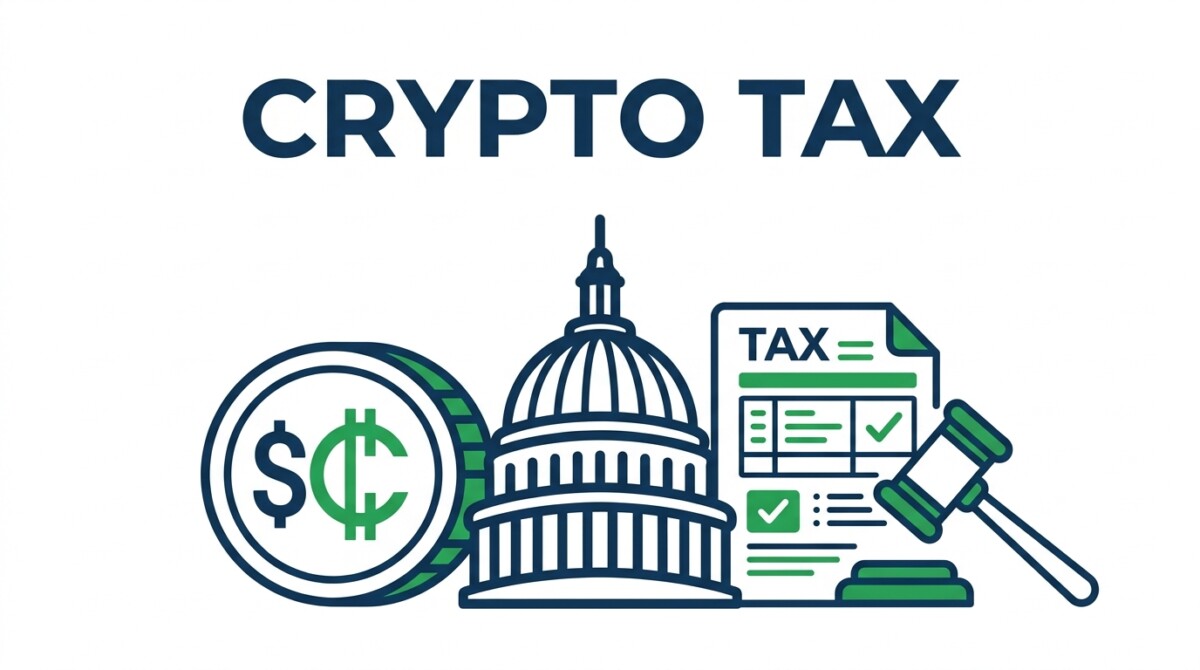
Cryptocurrency taxation in the U.S. has been governed by rules written long before digital assets existed — every disposition is a taxable event, there’s no small-transaction exemption, and key protections that apply to securities don’t clearly apply to crypto. The June 2026 Ways and Means hearing put a package of digital asset tax bills on the table to modernize that. Here’s what’s proposed, what it would change, and what it means while the rules are still in flux.
At SW Accounting & Consulting Corp, we help Los Angeles area crypto investors, traders, and businesses with digital-asset tax compliance. Below: the current rules, the bills on the table, and how to plan amid the uncertainty.
Where the law stands today 📍
Under current federal rules, digital assets are treated as property. That has three practical consequences the bills aim to address:
- Every disposition is taxable — spending, swapping, or converting crypto is a realization event, with no de minimis exemption for tiny transactions (even paying a small network fee can technically trigger gain/loss).
- No clear wash-sale limit — the wash-sale rule that disallows quick repurchase losses on securities does not clearly apply to digital assets.
- Heavy reporting — brokers now report dispositions on Form 1099-DA, and per-transaction reporting of small, routine activity is burdensome for taxpayers and the IRS alike.
The bills Ways and Means is weighing 🏛
| Bill | What it would do |
|---|---|
| H.R. 9178 — Less Paperwork for Digital Asset Owners Act | No gain or loss recognized on disposing of a digital asset to pay a “de minimis network fee” (a fee not exceeding $10 in aggregate to validate a transaction); also an option to elect a simplified accounting method for one or more widely traded digital assets |
| H.R. 9172 | Apply the wash-sale and constructive-sale rules to digital assets |
| H.R. 9175 — Tax Clarity for Mining and Staking Act | Establish rules for taxing income derived from mining and staking digital assets |
| H.R. 9173 — Charitable Deduction for Digital Asset Donations Act | Add “widely traded digital assets” (market cap over $500 million) to the property excepted from the qualified-appraisal requirement for charitable contribution deductions |
| H.R. 9176 | Address the trading of digital assets |
| Discussion draft | Treat certain digital-asset gains as U.S.-sourced |
Committee Chairman Jason Smith framed three gaps the package targets: common activities like mining and staking that don’t fit existing rules; digital assets not getting the same tax benefits or anti-abuse protections as other assets; and owners facing burdensome compliance. The mining/staking bill (H.R. 9175) drew notable attention from both parties.
A formal markup of these bills has not yet been scheduled, and lawmakers differed on details (for example, whether the $500 million market-cap threshold for the appraisal exception is the right line). Don’t plan transactions assuming any of this is law. The current property rules — full realization on every disposition, uncertain wash-sale treatment — still apply until Congress acts.
Why it matters now 🧭
- A de minimis rule would change everyday crypto use — if small transactions and network fees stop triggering gain/loss, using crypto for routine payments becomes far simpler. Until then, track every disposition.
- A wash-sale rule would end loss harvesting on crypto — investors who currently sell at a loss and immediately rebuy should know this window may close if H.R. 9172 advances.
- Mining/staking clarity cuts both ways — clear rules reduce uncertainty but may formalize income-recognition timing; watch H.R. 9175.
- Charitable giving of crypto — easing the appraisal requirement for large, widely traded assets would lower the friction of donating appreciated crypto.
Frequently asked questions
No. Under current law, even small dispositions are taxable events. H.R. 9178 proposes a de minimis exception (including no gain/loss on a network fee of $10 or less), but it isn’t law — no markup is scheduled.
Not clearly under current law — which is why some investors harvest crypto losses and rebuy quickly. H.R. 9172 would extend the wash-sale and constructive-sale rules to digital assets; if enacted, that strategy would be limited.
Current rules don’t fit these activities cleanly. H.R. 9175 (Tax Clarity for Mining and Staking Act) would establish specific rules. Until it passes, follow existing IRS guidance and document your facts carefully.
Generally yes for larger noncash gifts under current rules. H.R. 9173 would except “widely traded digital assets” over $500 million market cap from the qualified-appraisal requirement — but it’s a proposal, so confirm current requirements before donating.
How can SW Accounting help? 💼
At SW Accounting & Consulting Corp, we handle digital-asset tax for LA-area investors, traders, miners, and businesses — basis tracking and Form 1099-DA reconciliation, mining/staking income, charitable crypto gifts, and loss-harvesting strategy under today’s rules. We track these bills so your 2026 planning reflects what’s actually law versus what’s still a proposal.
📩 Schedule a crypto tax consultation
Disclaimer: This article is for informational purposes only and is not legal or tax advice. The bills described are proposals and are not law. Always consult a qualified professional regarding your specific facts. Primary sources: U.S. House Ways and Means Committee hearing on digital-asset tax proposals (June 2026); H.R. 9172, H.R. 9173 (Charitable Deduction for Digital Asset Donations Act), H.R. 9175 (Tax Clarity for Mining and Staking Act), H.R. 9176, and H.R. 9178 (Less Paperwork for Digital Asset Owners Act); IRS Form 1099-DA (Digital Asset Proceeds from Broker Transactions).