
Ferc gaap accounting differences 2026 featured
|

FERC GAAP Accounting Differences: 2026 Update for Utilities

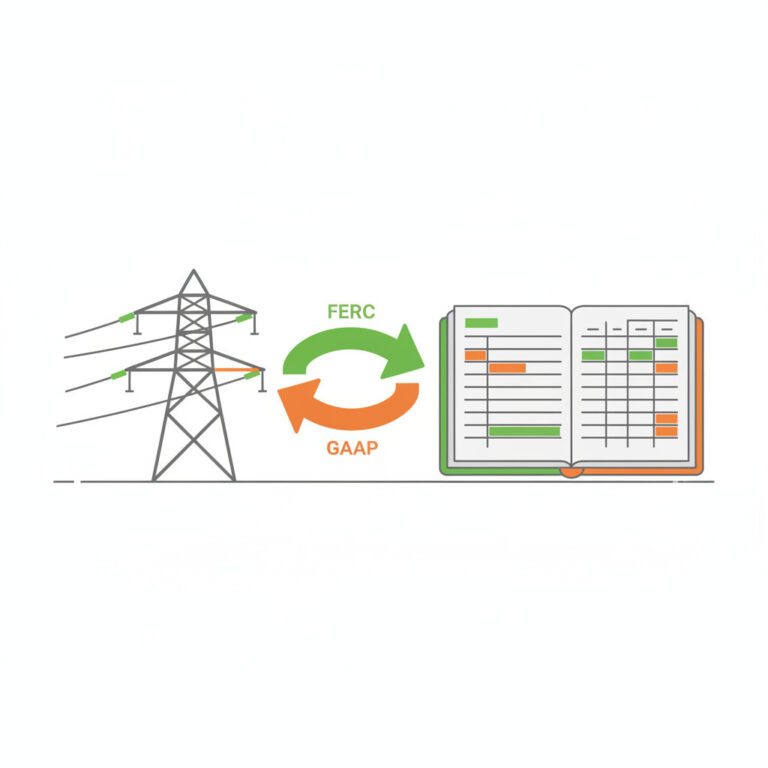
What are the key FERC GAAP accounting differences for power and utility companies? FERC uses equity-method accounting for all subsidiaries regardless of ownership, classifies certain non-utility activities “below the line,” includes accumulated cost of removal in accumulated depreciation, and lacks the current/long-term distinction common in US GAAP — creating systematic reconciliation work for every regulated…

Internal use software capitalization asu 2025 06 featured
|

Internal Use Software Capitalization: ASU 2025-06 Explained

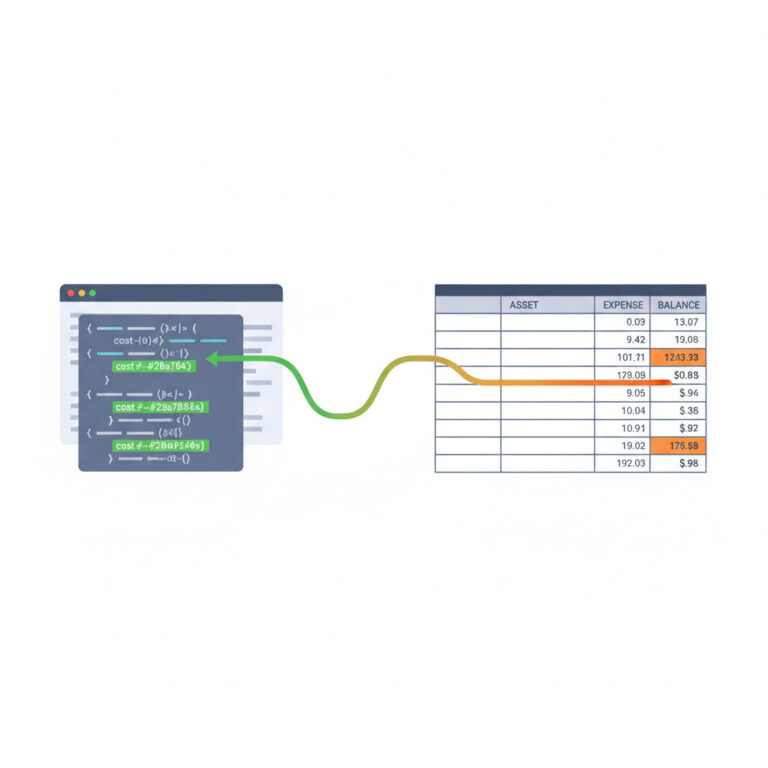
What changed for internal use software capitalization under ASU 2025-06? The FASB eliminated the old project-stage gating and replaced it with a single “probable-to-complete” threshold — finally aligning US GAAP with how agile software development actually works in 2026. If you’ve ever tried to apply the 1998 internal-use software rules to a modern agile sprint,…

Sec tokenized securities statement 2026 featured
|

SEC Tokenized Securities: 2026 Joint Statement Explained

Do securities laws apply to blockchain tokens? The SEC tokenized securities statement of January 28, 2026 confirms existing federal securities laws apply to blockchain-based tokens. No new rules, no safe harbor — just a clear reaffirmation that tokenization is a technical change, not a legal one. On January 28, 2026, three SEC divisions made something…

Asc 740 quarterly update 2026 featured
|

ASC 740 Quarterly Update Q1 2026: Key Tax Accounting Changes

What are the most important ASC 740 developments in Q1 2026? The ASC 740 quarterly update 2026 covers five major areas: Rev. Proc. 2026-17 election relief for bonus depreciation, new CAMT AFSI guidance, tariff accounting under IEEPA, section 987 FX final regulations, and significant multistate legislative activity across 28 states. The first quarter of 2026…

Ifrs 18 agenda decisions 2026 featured

IFRS 18 Agenda Decisions Q1 2026: 5 Key Changes Explained

What did the IFRIC decide in Q1 2026 regarding IFRS 18? The IFRIC finalized five binding IFRS 18 agenda decisions in its March 2026 update, addressing FX differences on intragroup loans, classification of non-income taxes, expense-by-nature disaggregation scope, parent entity main business activity, and FX derivative classification — all critical for entities preparing to adopt…

Ifrs 2026 updates featured
|

IFRS 2026 Updates: IFRS 18, IFRS 9 Amendments & What Changes This Year

What are the key IFRS 2026 updates? The most important IFRS 2026 updates include IFRS 9 amendments for financial instrument classification and nature-dependent electricity contracts effective January 1, 2026, the upcoming IFRS 18 replacing IAS 1 effective January 2027, and the March 2026 IASB decisions on IFRS 10 Consolidated Financial Statements — changes that require…

Fasb hedge accounting updates 2026 featured

FASB Hedge Accounting Updates 2026: What Every CPA Must Know

What are the new FASB hedge accounting changes for 2026? The FASB approved targeted improvements in February 2026 that allow hedging of interest rate risk for held-to-maturity (HTM) debt securities, remove the OIS parameter from the SOFR benchmark rate, and expand net investment hedging for float-to-float cross-currency swaps. These changes apply to all entities and…

Ifrs 18 financial statement featured
|

IFRS 18 Explained: The New Financial Statement Presentation Standard Replacing IAS 1

What is IFRS 18 and when does it take effect? IFRS 18, the new standard that replaces IAS 1, fundamentally redesigns how companies present financial statements. It is mandatory for annual periods beginning on or after January 1, 2027 — but with the 2026 comparative period already underway, companies using IFRS must begin planning their…

Gasb 103 government reporting featured
|

GASB 103 Explained: Key Changes to Government Financial Reporting You Need to Know

What is GASB 103 and how does it change government financial reporting? GASB 103 is a major update to the government financial reporting model, effective for fiscal years beginning after June 15, 2025, that redefines operating vs. nonoperating revenues, introduces subsidy reporting, and strengthens MD&A requirements for state and local governments. If you work in…

"A flat lay styled photograph from a top-down view of a neat, modern wooden desk. On the desk, there are financial documents with subtle charts, a sleek calculator, a cup of black coffee, and a small, vibrant green potted plant. Warm, natural sunlight is streaming across the desk, giving it an inviting, professional, and optimistic feel. The color palette emphasizes warm oranges and fresh greens."

Demystifying Q1 2026 Accounting Standards: Everything You Need to Know

  Demystifying the Q1 2026 Accounting Roundup! Ready to catch up on the latest accounting and regulatory changes without the headache? Let’s break down the essential updates from Q1 2026, from crypto rules to climate disclosures, so you can stay ahead of the curve. Hey everyone! Welcome back to another update where we translate complex…